Youth's Lives Every Day
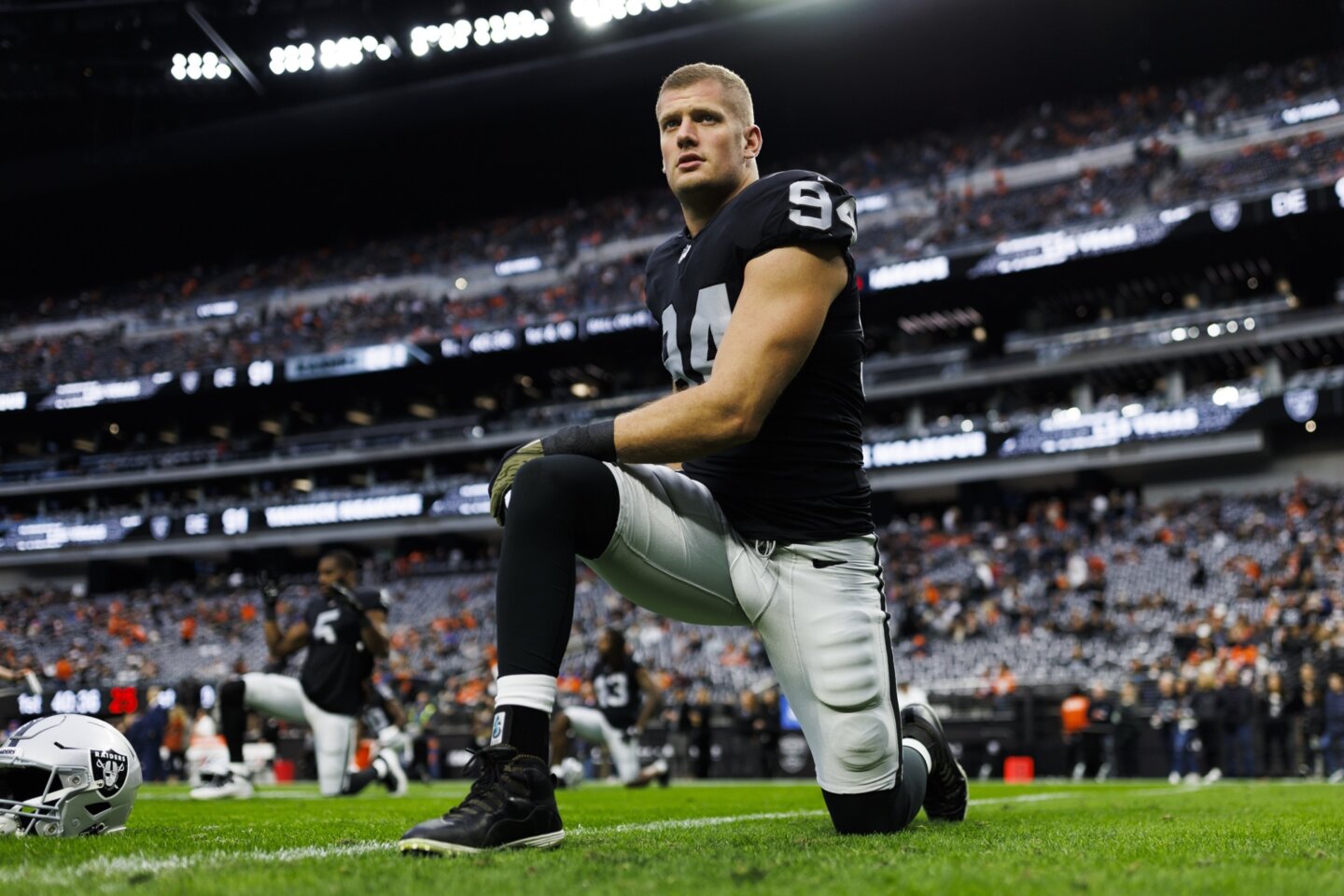
National Coming Out Day is a powerful reminder that living openly and authentically can change lives – not only for LGBTQ+ people themselves, but also for everyone inspired by their courage. At The Trevor Project, we know that coming out can have a profound impact on mental health, whether it brings relief and joy, or new challenges and questions. We’re proud to continue our partnership with the NFL and to highlight a trailblazer who makes history on and off the field: Carl Nassib, the first active NFL player to come out as gay, and proud Trevor Project Board Member.
In this special interview, we asked Carl to reflect on his journey, share how he supports his own mental well-being, and to offer words of encouragement to LGBTQ+ young people everywhere.
Coming out can be life-changing. How did coming out impact your mental health, both in the short term and long term?
Coming out was the most freeing experience of my life. It has given me peace of mind and clarity. I no longer have to live with that constant worry of hiding who I am, and that has been huge for my mental health.
Taking care of mental health is important for everyone, especially LGBTQ+ people who may face unique challenges compared to their peers. What practices, resources, or habits help you support your mental health these days?
I’ve learned that routines and balance are key for me. Staying physically active has always been important not just as an athlete, but because movement helps me reset mentally. I also lean heavily on close friends and family; having people I can talk to honestly is a huge resource.
National Coming Out Day can provide hope and visibility to so many people. What message of encouragement would you share with LGBTQ+ young people who are on their own journey of self-acceptance?
You don’t need to have everything figured out right now. Take your time and move at your own pace. There are people who will celebrate you for exactly who you are, and the freedom that comes with living authentically is worth it.
You’re a football legend who uses your platform to encourage all fans and inspire LGBTQ+ athletes. What’s your favorite example of how you’ve used your platform?
The moment that stands out most to me is when I came out publicly and pledged a donation to The Trevor Project. The response was overwhelming — not just from fans, but from young LGBTQ+ people who reached out to say it gave them hope. To this day, hearing from athletes or kids who feel less alone because of that moment means more to me than anything I achieved on the field. It’s a reminder that visibility can save lives.
Support The Trevor Project today by making a life-saving gift