Youth's Lives Every Day
As we celebrate International Asexuality Day during this first week of April, this is a great time to support those in our lives who are asexual and try to better understand what asexuality is.
First and foremost, it’s important to recognize that asexual folks have been nearly erased from conversations around identity and sexuality. This week is about affirming their existence, validity, and experiences.
Asexuality is a sexual orientation characterized by a lack of sexual attraction to others. This differs from aromanticism, a romantic orientation that describes people who do not experience romantic attraction. However, it’s important to remember that asexuality is an umbrella term, and there are a wide variety of ways to express asexuality. Asexual people — also known as “Ace” or “Aces” — may have little interest in having sex, even though they may desire emotionally intimate relationships. Some asexual people do have intimate relationships and experience sexual desire, even if they don’t experience sexual attraction.
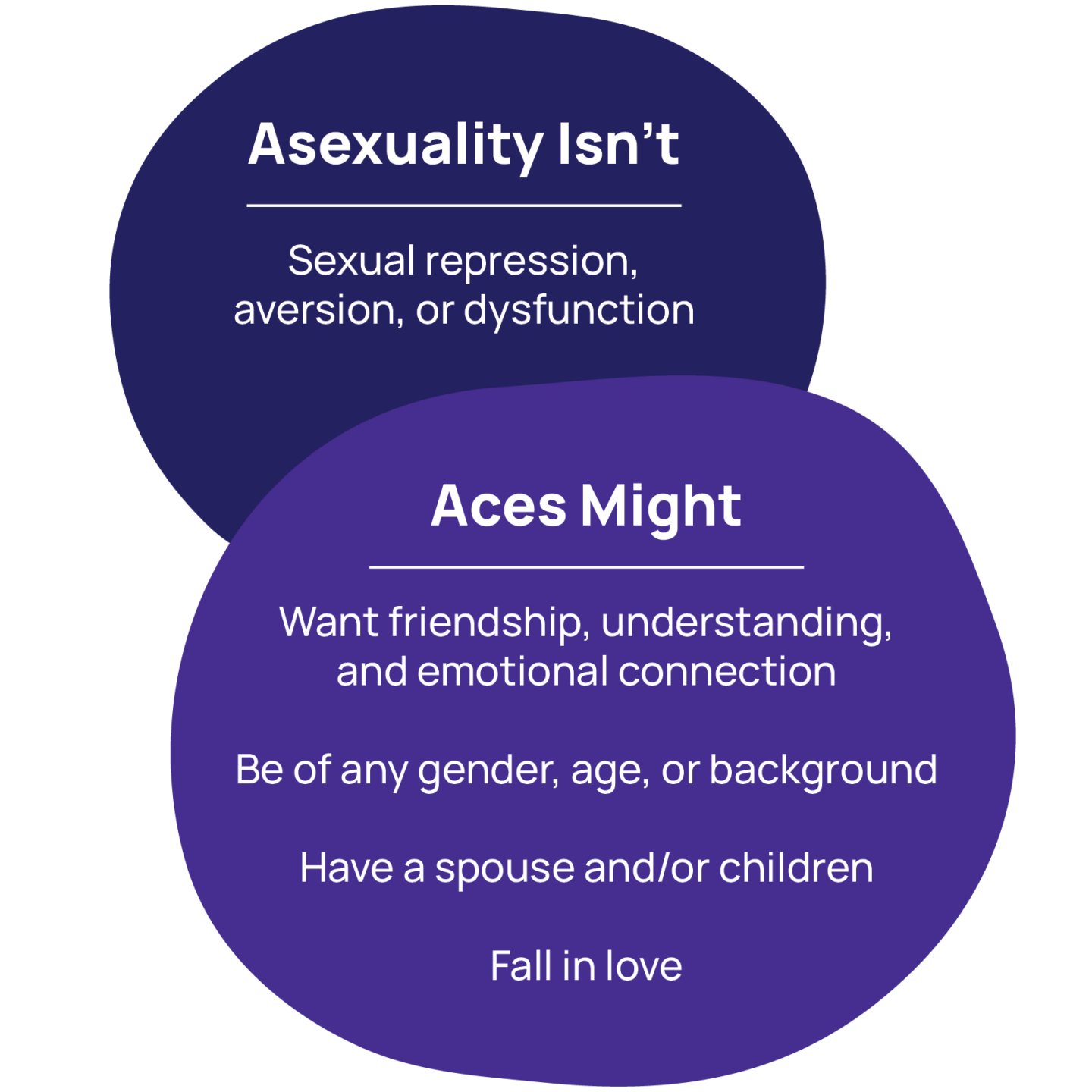
Here are just a few common terms to explore:
Demisexual: People who only experience sexual attraction once they form a strong emotional connection with another person.
Grey-A or Gray-Ace: People who identify somewhere between sexual and asexual.
Queerplatonic: People who experience a type of non-romantic relationship where there is an intense emotional connection that goes beyond a traditional friendship.
Aces commonly use hetero-, homo-, bi-, and pan- in front of the word romantic to describe who they experience romantic attraction to. For example, a person who is hetero-romantic might be attracted to people of a different sex or gender, but not in a sexual way.
It is important to note that asexuality is a spectrum and individuals may experience different levels of sexual attraction. Additionally, asexuality is not the same as celibacy or abstinence, which are personal choices to abstain from sexual activity.This International Asexuality Day, we encourage everyone to take the time to learn more about asexuality and aromanticism, and to show support and acceptance for ace folks. We also encourage asexual and aromantic young people to seek out communities and resources like TrevorSpace that can provide them with understanding and validation. Talk about your experiences — that is how people learn and grow in their understanding and raise awareness of asexual people around the world.