Youth's Lives Every Day
Juneteenth, also known as Freedom Day, commemorates the emancipation of enslaved Black people in the United States. As we honor Juneteenth, we must also acknowledge the ongoing systemic racism and discrimination that Black people and other people of color face in our society. Racism and discrimination have a significant impact on mental health, and it is essential to recognize and address this issue.
That is why The Trevor Project is proud to celebrate Juneteenth, but also start the conversation around BIPOC Mental Health Awareness Month which starts on July 1st. This month-long observance aims to raise awareness of the mental health challenges faced by Black, Indigenous, and People of Color communities and to promote culturally responsive mental health care. The mental health disparities that affect BIPOC individuals are deeply rooted in systemic oppression and discrimination. The communities that make up the BIPOC umbrella face unique challenges and barriers to accessing mental health care, including stigma, cultural barriers, and lack of representation in the mental health field.
During BIPOC Mental Health Awareness Month, The Trevor Project will be highlighting the importance of providing culturally responsive mental health care and telling stories of how BIPOC individuals advocate for their own mental health.
We believe that every person, regardless of their race or ethnicity, deserves access to mental health care that is culturally competent, inclusive, and affirming. As we celebrate Juneteenth and look ahead to BIPOC Mental Health Awareness Month, we encourage everyone to reflect on how we can support and uplift BIPOC communities in the fight for equity and justice. Our guides can be a great resource for better understanding how to support our own mental health and the mental health of Black LGBTQ young people. We must work together to ensure that all people have access to the care they need to thrive.
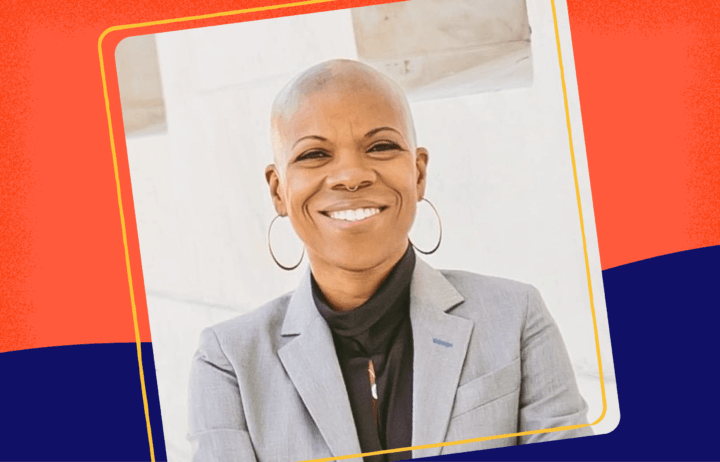
Teneka Whittaker is the Creative Strategist at The Trevor Project, the leading suicide prevention and mental health organization for lesbian, gay, bisexual, transgender, queer & questioning (LGBTQ) young people. If you or someone you know is feeling hopeless or suicidal, our trained crisis counselors are available 24/7 at 1-866-488-7386 via chat www.TheTrevorProject.org/Get-Help, or by texting START to 678-678.