Youth's Lives Every Day
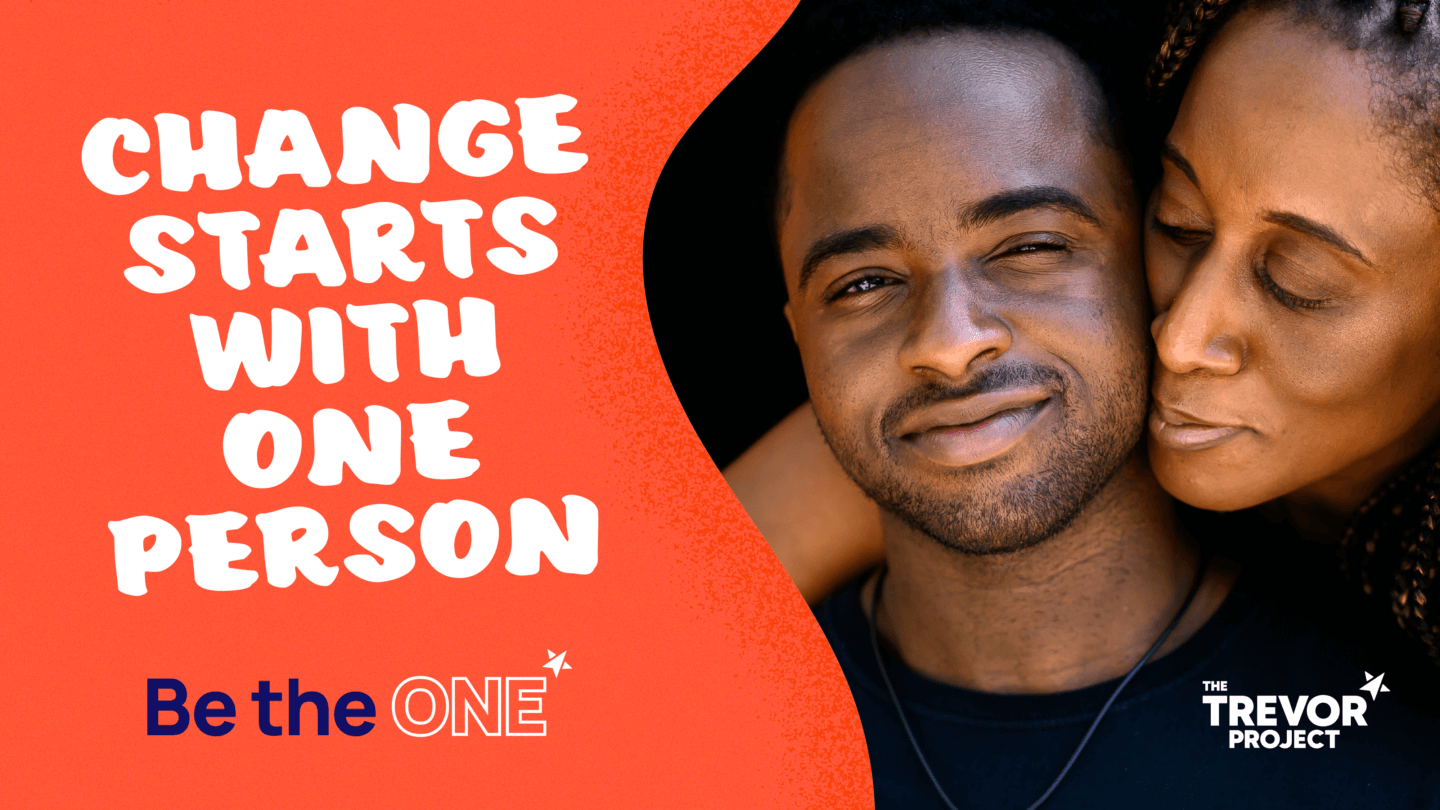
Here at Trevor, we’ve been talking a lot about what it means to be the one for LGBTQ young people, especially as the year wraps up and we look to the (potentially tough) holiday season.You may have heard this before, but it bears repeating: for an LGBTQ young person, having at least one accepting adult in their life can lower odds of suicide risk by 40%.
This is more than just a statistic for us — it’s a reality we’ve seen in the individual lives of the LGBTQ young people we serve time and time again for 25 years. And over these past 25 years, The Trevor Project has built a community of thousands of supporters and advocates who care about LGBTQ young people. Now we invite you (the reader) to join us in “being the ones” for LGBTQ young people. We invite you to be an ally.
That might feel like a lot of pressure if you haven’t practiced allyship before, but allyship isn’t as complicated as you may think. There’s more than just one way of “being the one” for LGBTQ young people, and we’ve heard from so many allies what it really takes: listening to LGBTQ young people, being there for them, standing up for them, advocating for their rights. But there’s no expectation for allies to be perfect; like all people, they make mistakes.
What makes a good ally is someone who takes those mistakes and learns from them. If they get someone’s pronouns wrong, they apologize and do better next time. If they see something lacking for a specific group of people, they do their best to fill that gap. Another simple but powerful form of allyship: supporting The Trevor Project. We’re dedicated to being there 24/7 for LGBTQ young people, and your donation ensures young people will always have that supportive adult to turn to. Gifts from allies make a difference; they fuel our advocacy efforts, our educational programs, our crisis services, and much more. Just that simple action goes a long way to LGBTQ young people always have the support they need.
If you’re not a practiced ally, but want to have a real impact, donating to Trevor could be your way of “being the one.” Your support means another 25 years of uplifting LGBTQ young people. It means more and more LGBTQ young people never get to a point of crisis because the world will be safer for them. It means families can be together; kids can go to school; young people can grow up reveling in the joy of being exactly who they are.
Even one person’s gift can help us be there for the next generation of LGBTQ young people — just like one supportive person in an LGBTQ young person’s life can make the difference between surviving and thriving.
Click below to learn more.