Youth's Lives Every Day
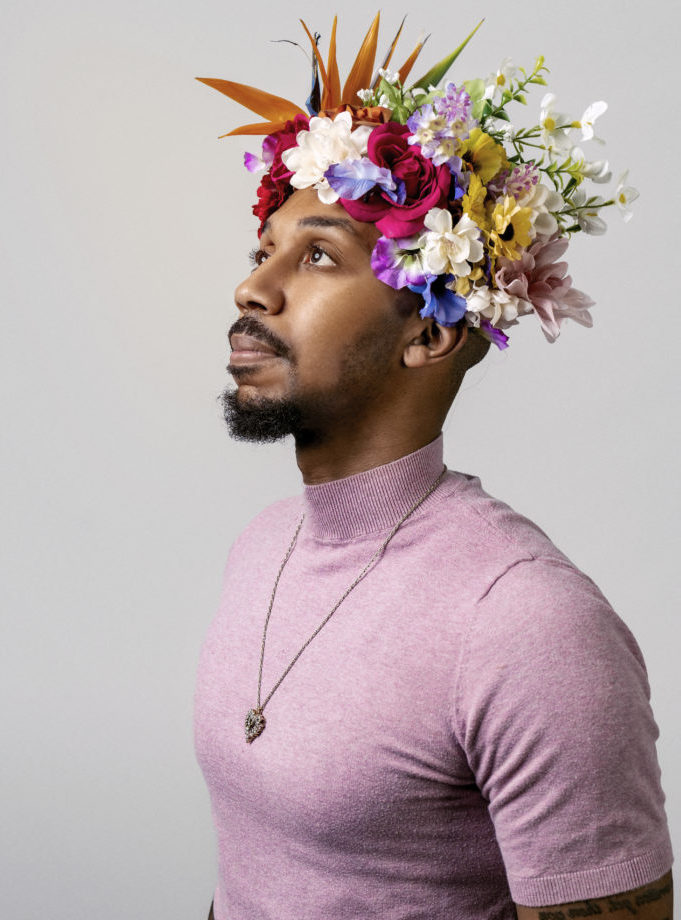
Amidst a wave of book bans sweeping the nation, George M. Johnson (they/them), award-winning author of the New York Times Bestselling 2020 young adult memoir “All Boys Aren’t Blue,” is ready to fight against everybody trying to silence Black queer writers.
It was in September of last year when George first heard their memoir was being banned in a county in Kansas City, MO. Initially, they laughed about it. Within four weeks, their memoir was being contested in schools and libraries in eight states, and as of now, the number has risen to 19.
George’s laughter then turned to action. With the help of legislators, attorneys, and public support, George began the mission to fiercely protect their work and the work of several others from the threat of censorship.
I’ve always lived my life through an activist lens, so I knew this is the fight I’m supposed to take up. So every time a news story came out, I talked about it. I made it a national issue.
George’s story, as depicted in their memoir, is one of many intersections: Blackness and queerness, joy and pain, history and the present. It is also the story of how dire the need for representation really is for people who have been historically marginalized and whose stories have been erased.
With a rising trend of book bans emerging in school libraries across the country, there’s potential for dangerous impacts on the mental health of LGBTQ youth — The Trevor Project’s research shows that LGBTQ youth who were educated on LGBTQ history at school in the past year were 23% less likely to report a suicide attempt than their peers who weren’t.
George said, “We know that LGBTQ youth experience suicidal ideation at much higher rates [than their straight and cisgender peers] and that’s part and parcel because they’re watching how systems attack them at a very young age. And then it seems like they’re always fighting their own identity because they have no semblance of what they could look like in the world.”
There’s this assumption that teens are in a state of confusion. They’re in a state of confusion because everybody keeps trying to tell them they shouldn’t exist. Putting these texts in their hands allows them to know they exist.
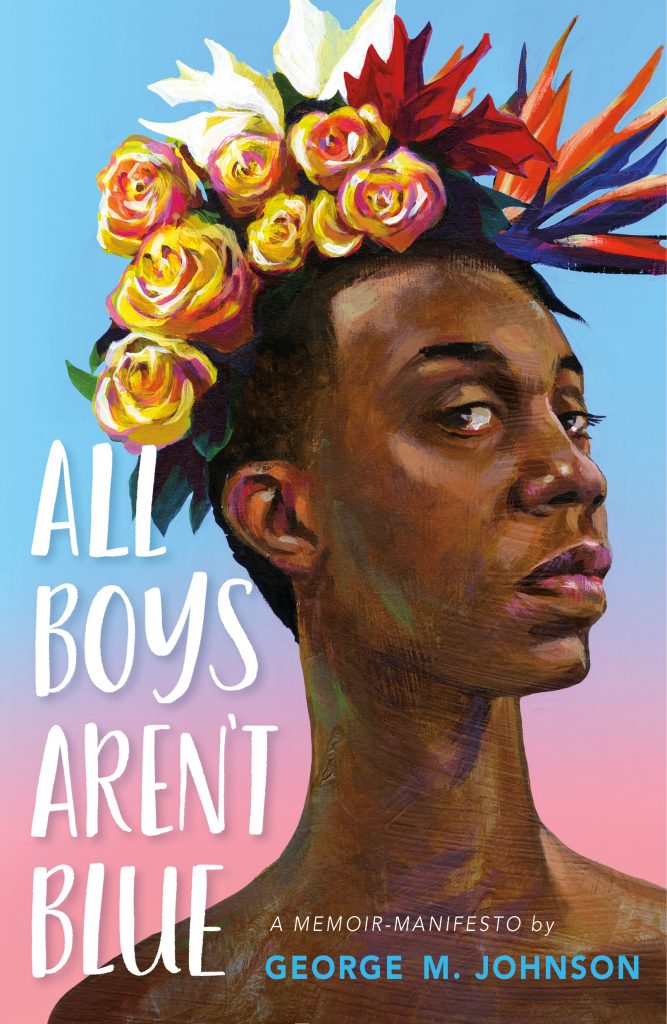
George confessed that writing their memoir was, “a very healing, cathartic process,” one where they had to push themselves to tell the truth of their life. A story they say so many others they know have experienced and never been able to talk about. “When you grow up and you don’t have any visibility or representation of yourself, it’s like you don’t know that you exist in the world already.” That was their catalyst for writing — to tell LGBTQ youth the story George knew they once needed to hear.
George hopes that by immortalizing their story, at least ten other queer Black people will follow and write their own. As they wrote in their memoir, “For Black kids to see themselves in the subjects they learn and the people they learn from it,” it can be liberating and lifesaving. “You sometimes don’t know you exist until you realize someone like you existed before.”
“A lot of kids get road maps; education is geared towards heterosexual children and so they get the tools and the lessons. When you’re growing up and you don’t have any of those things, you’re just making your way through the world with the best that you have. This book is now a roadmap for so many.”
George M. Johnson is an Award-Winning Black Non-Binary Writer, Author, and Activist located in the NYC area. George has written for major outlets including Teen Vogue, Entertainment Tonight, NBC, The Root, Buzzfeed, Essence, Ebony, THEM, and The Grio. They have also served as Guest Editor for BET.com’s Pride month.
In 2019, they were awarded the Salute to Excellence Award by the National Association of Black Journalists for their article “When Racism Anchors Your Health” in Vice Magazine. And, in 2020, they were recently named to The Root 100 Most Influential African Americans. Their debut Young Adult memoir, All Boys Aren’t Blue, was published in 2020. The following year, their YA memoir, We Are Not Broken, was published in September 2021.
George is also a proud HBCU alum twice over, and a member of Alpha Phi Alpha Fraternity Incorporated. You can find them online at iamgmjohnson.com.
Sue Cardenas-Soto is a Copywriter on the Growth team at The Trevor Project, the world’s largest suicide prevention and crisis intervention organization for lesbian, gay, bisexual, transgender, queer & questioning (LGBTQ) young people. If you or someone you know is feeling hopeless or suicidal, our trained crisis counselors are available 24/7 at 1-866-488-7386 via chat www.TheTrevorProject.org/Get-Help, or by texting START to 678-678.